Regional hub / EU
Crypto fraud guides for Europe
5 guides covering who to contact, what to check and what to keep in Europe. Each is built on official sources and says plainly what it cannot promise.
AI-assisted educational content. No independent expert review is claimed. How we write and correct these guides
Showing all 5 guides
-
 EU Europe / Verification
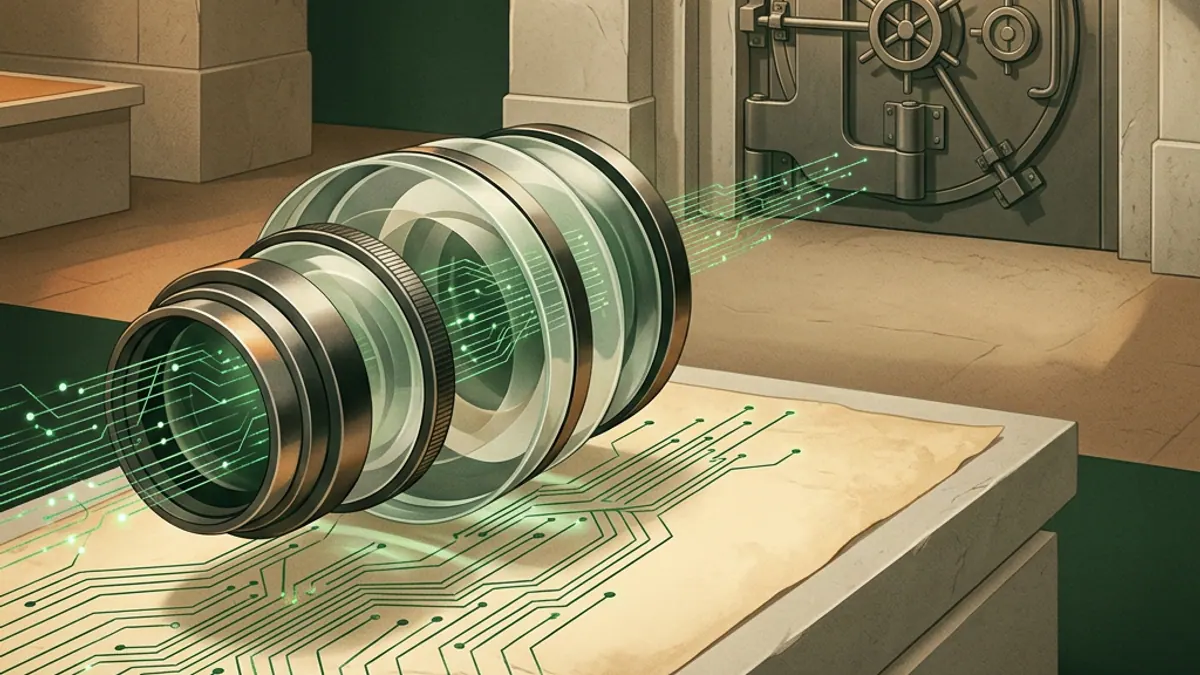
Blockchain tracing is not the same as recovering stolen cryptocurrency
Explaining the technical limits of blockchain analysis and why identifying a wallet address does not equate to the legal or technical recovery of funds.
EU Europe / Verification
Blockchain tracing is not the same as recovering stolen cryptocurrency
Explaining the technical limits of blockchain analysis and why identifying a wallet address does not equate to the legal or technical recovery of funds.
-
 EU Europe / Scam prevention
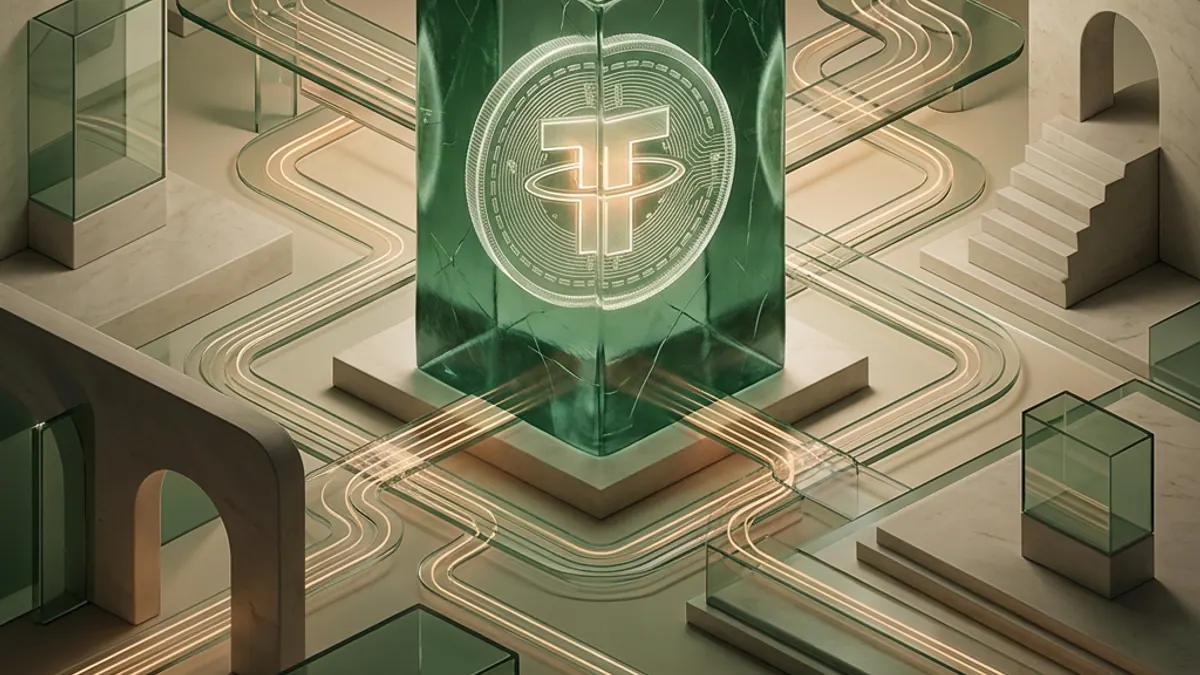
Can stolen stablecoins be frozen? Limits, evidence and recovery scams
Understanding stablecoin freezing: how issuers handle law enforcement requests, why freezing is not a refund, and how to avoid recovery scams.
EU Europe / Scam prevention
Can stolen stablecoins be frozen? Limits, evidence and recovery scams
Understanding stablecoin freezing: how issuers handle law enforcement requests, why freezing is not a refund, and how to avoid recovery scams.
-
 EU Europe / Wallet security
Crypto sent to the wrong address or network: what to check before paying help
What to do if you have sent funds to an incorrect address or the wrong blockchain network and how to evaluate your next steps safely.
EU Europe / Wallet security
Crypto sent to the wrong address or network: what to check before paying help
What to do if you have sent funds to an incorrect address or the wrong blockchain network and how to evaluate your next steps safely.
-
 EU Europe / Recovery limits
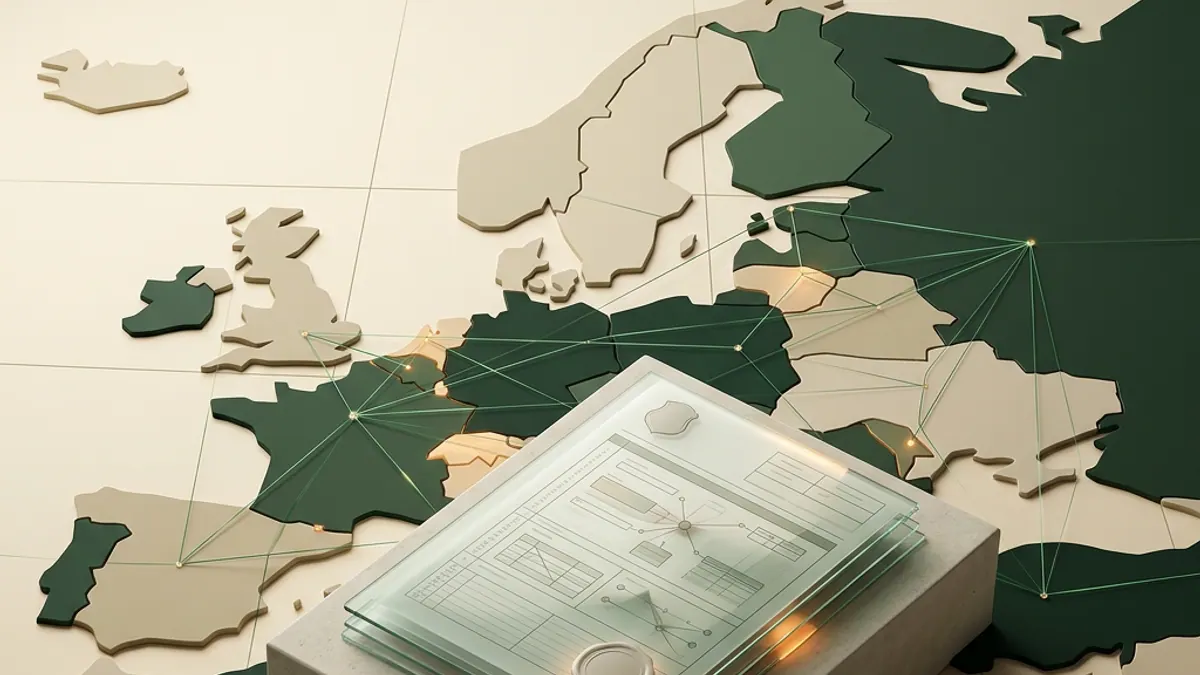
Reporting cross-border crypto fraud in Europe: start with national police
A guide for European residents on reporting crypto-asset fraud: why your local police agency is the essential first step for any investigation.
EU Europe / Recovery limits
Reporting cross-border crypto fraud in Europe: start with national police
A guide for European residents on reporting crypto-asset fraud: why your local police agency is the essential first step for any investigation.
-
 EU Europe / Consumer rights
What MiCA protects—and what it does not guarantee after a crypto loss
Understanding MiCA: How the new EU framework applies to crypto assets, consumer risks, and the clear distinction between regulation and recovery guarantees.
EU Europe / Consumer rights
What MiCA protects—and what it does not guarantee after a crypto loss
Understanding MiCA: How the new EU framework applies to crypto assets, consumer risks, and the clear distinction between regulation and recovery guarantees.
No guides match that search
Try fewer words, a different subject, or clear the filters. If you are dealing with something urgent, contact your bank or exchange through its official website first.
Boundaries. These guides explain public reporting routes and verification habits. They are not legal, financial or tax advice, they do not assess any individual case, and nothing here guarantees that funds can be traced or recovered.